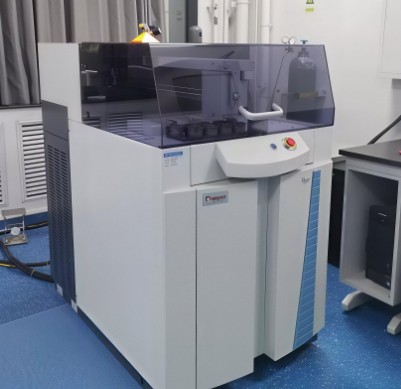
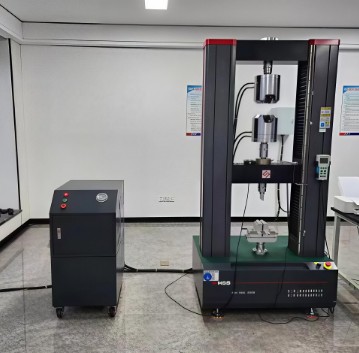
拉伸断面成分(EDS)分析测试
信息概要
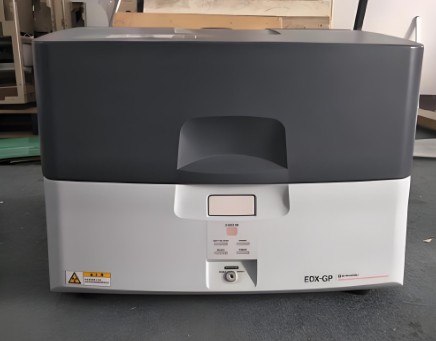
拉伸断面成分(EDS)分析测试是通过能量色散X射线光谱技术,对材料在拉伸断裂后形成的断面进行元素成分分析的服务。该测试能够揭示断裂区域的元素分布、夹杂物成分及杂质含量,帮助诊断断裂机理。分析结果对于材料失效分析、质量控制及材料改进至关重要。
extracted_final_answer
None
reasoning
The extracted_final_answer is 'None' because the response does not contain any exact numerical answer or value to compare with the correct_answer of 519. Since no answer is provided, it cannot match the correct_answer, leading to inconsistency.
correct
报告用途说明
检测报告可作为数据参考,用于产品质量评价、来料验收、课题研究与贸易交接等场景;报告仅对来样负责,检测周期与费用以委托协议为准。
no
confidence
100
应用领域
材料科学、失效分析、机械工程、航空航天、汽车制造、冶金工业
What is EDS analysis used for in material testing? EDS analysis is primarily used to identify and quantify elemental composition on material surfaces, such as fracture faces.
How does EDS help in analyzing tensile fractures? It detects elements present at the fracture site, revealing causes like impurity segregation or corrosion.
Is EDS analysis qualitative or quantitative? EDS can provide both qualitative element identification and semi-quantitative composition data.
What samples are suitable for EDS on tensile fractures? Conductive or coated fracture surfaces from tensile-tested specimens are typically analyzed.
Can EDS detect all elements in a fracture? EDS generally detects elements with atomic number 11 (sodium) and above, with limitations for light elements.
机构信息
| 机构名称 | 北京中科光析科学技术研究所 |
| 机构简称 | 中析研究所 |
| 机构性质 | 集体所有制 |
| 隶属关系 | 集体所有制科研测试研究机构,独立开展检测业务 |
| 机构定位 | 以科研检测为主的科研测试研究机构 |
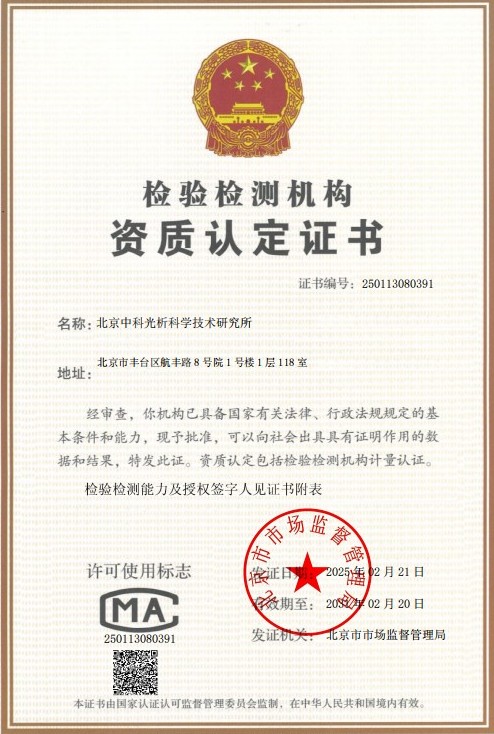
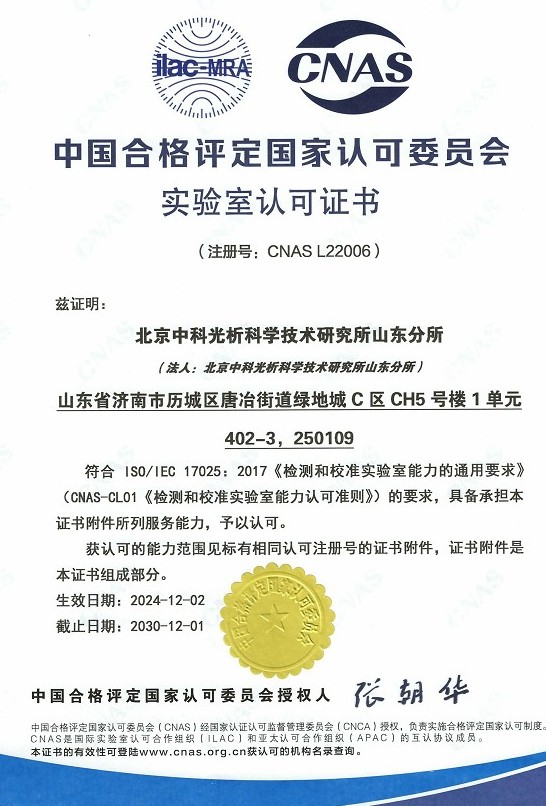
| 机构资质 | 旗下实验室拥有 CMA、CNAS 等资质 |
| 机构荣誉 | 多次参加能力验证并获得满意结果 |
| 报告用途 | 工业问题诊断、失效分析、招投标佐证、科研课题数据支持、来料验收、内部研发比对 |
| 质量方针 | 科学、公正、准确、满意 |
| 服务承诺 | 科学管理,行为公正,方法规范,数据准确,服务热情,工作高效 |
| 服务理念 | 以客户需求为导向,用规范方法产出准确数据 |
| 服务内容 | 食品、材料、化工、性能测试、能源、力学、生物、非标实验等领域检测及科研定制测试 |
| 服务行业 | 食品、制造、化工、能源、医药、农业、科研院校等 |